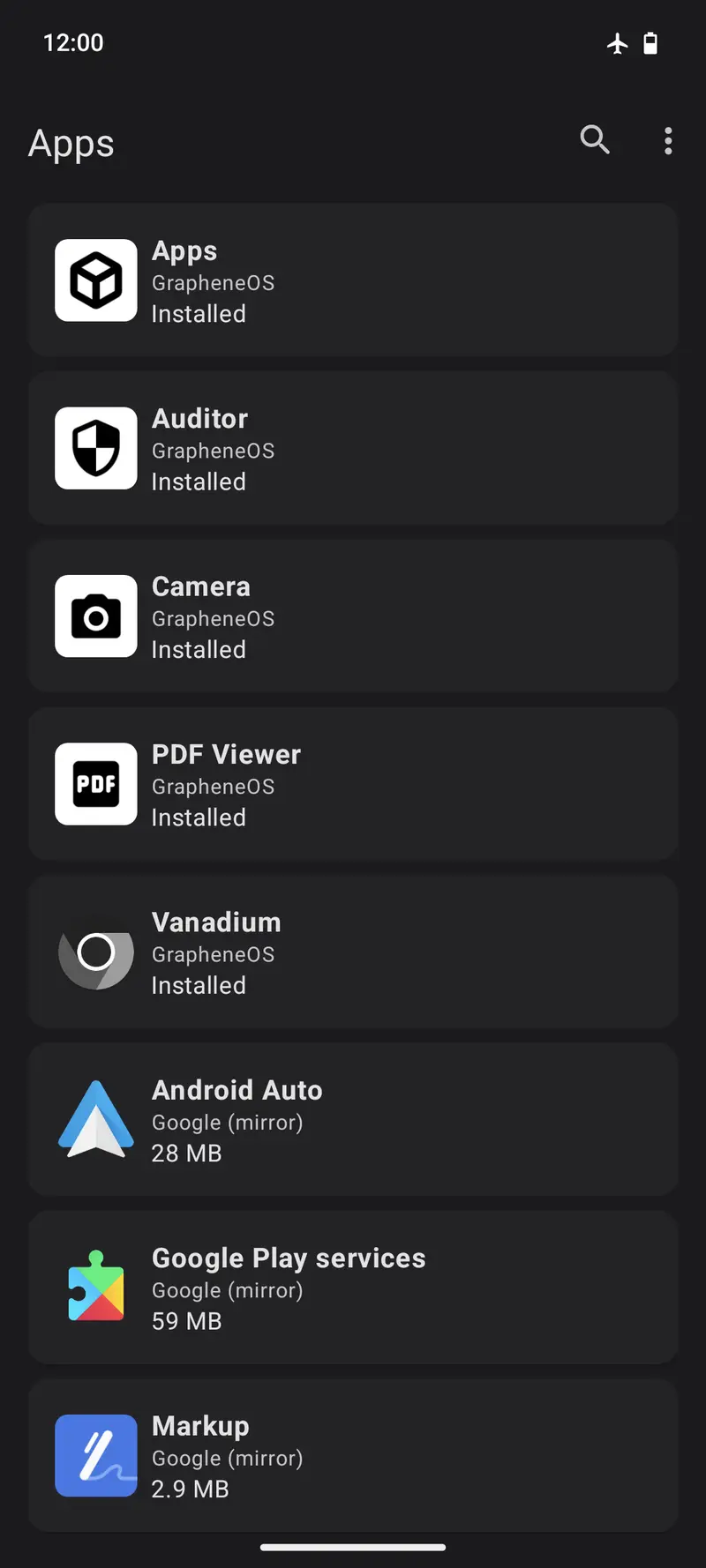
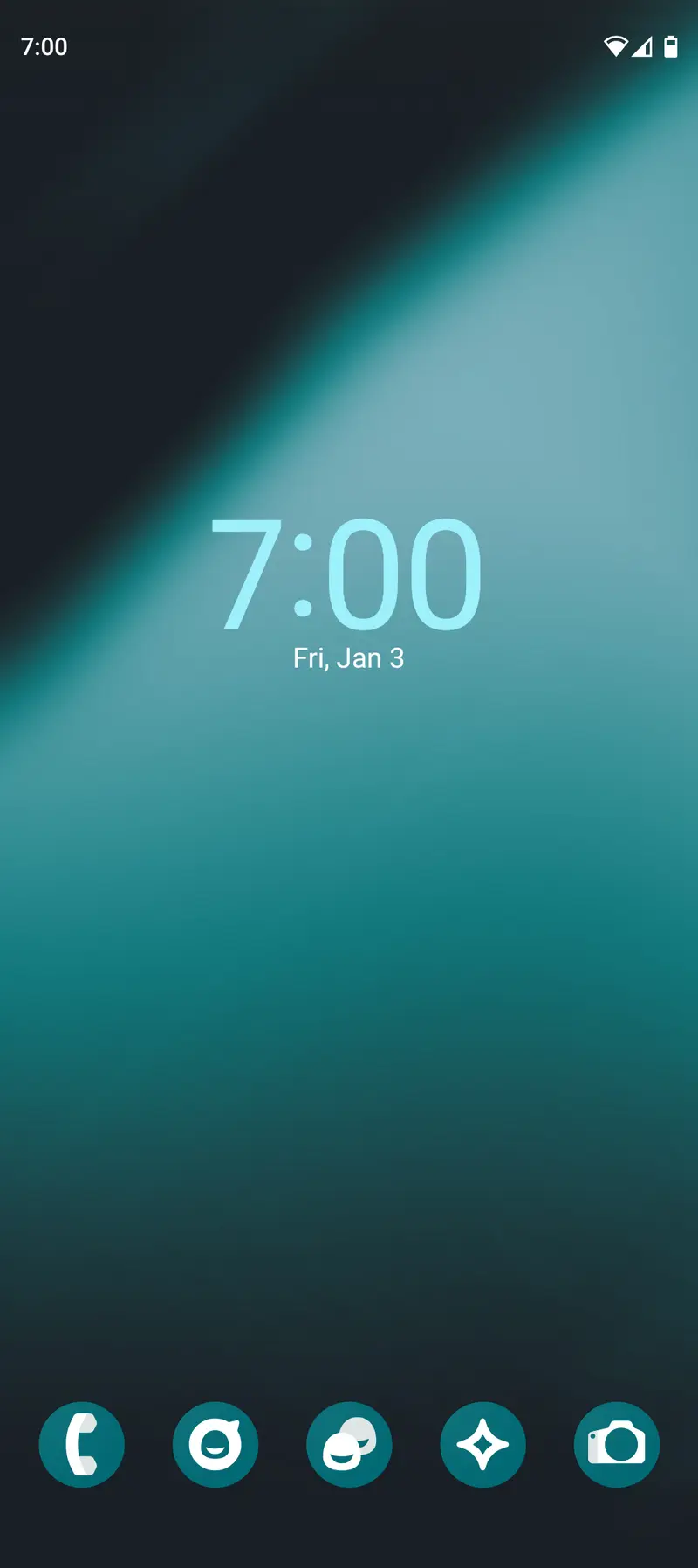
GrapheneOS is a mobile operating system for phones that focuses on privacy and security while still running most Android apps. It is aimed at people who want a more private and secure phone, and it currently supports Pixel phones only.
App · Own website · Pixel phones only; you install it yourself
LineageOS is a free replacement operating system for many Android phones and tablets, giving older or newer devices a fresh, customizable software base. It is for people who want more control over their phone's software and privacy.
App · Own website · You install it yourself; Google apps are an optional add-on
/e/OS is a smartphone operating system built on a de-Googled version of Android that aims to keep your data private. It is for people who want a phone that does not track their location or app use.
App · Own website · Some bank apps may not work; also sold pre-installed
Not on GitHubActiveLinuxGPL-3.0-or-laterReplaces partlyApp
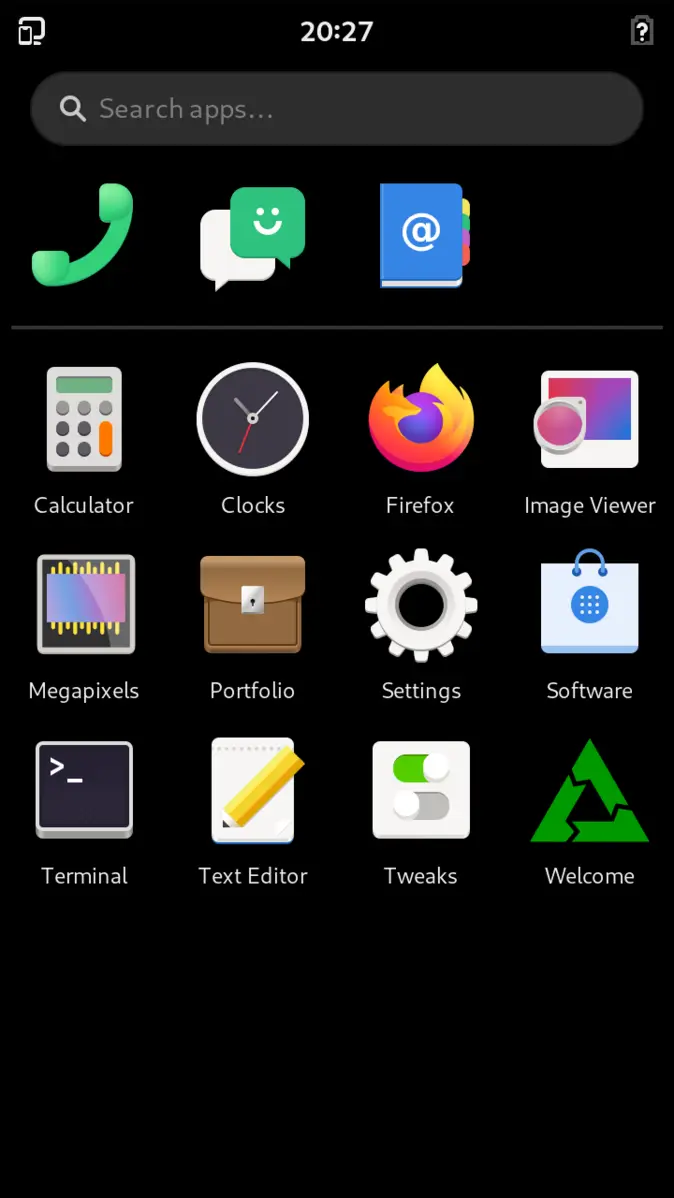
postmarketOS is a Linux-based operating system for phones, built to keep older devices useful for many years. It is for tinkerers: on most phones, calls, the camera or mobile data do not fully work yet.
App · Own website · Calls, camera or mobile data may not work on most phones
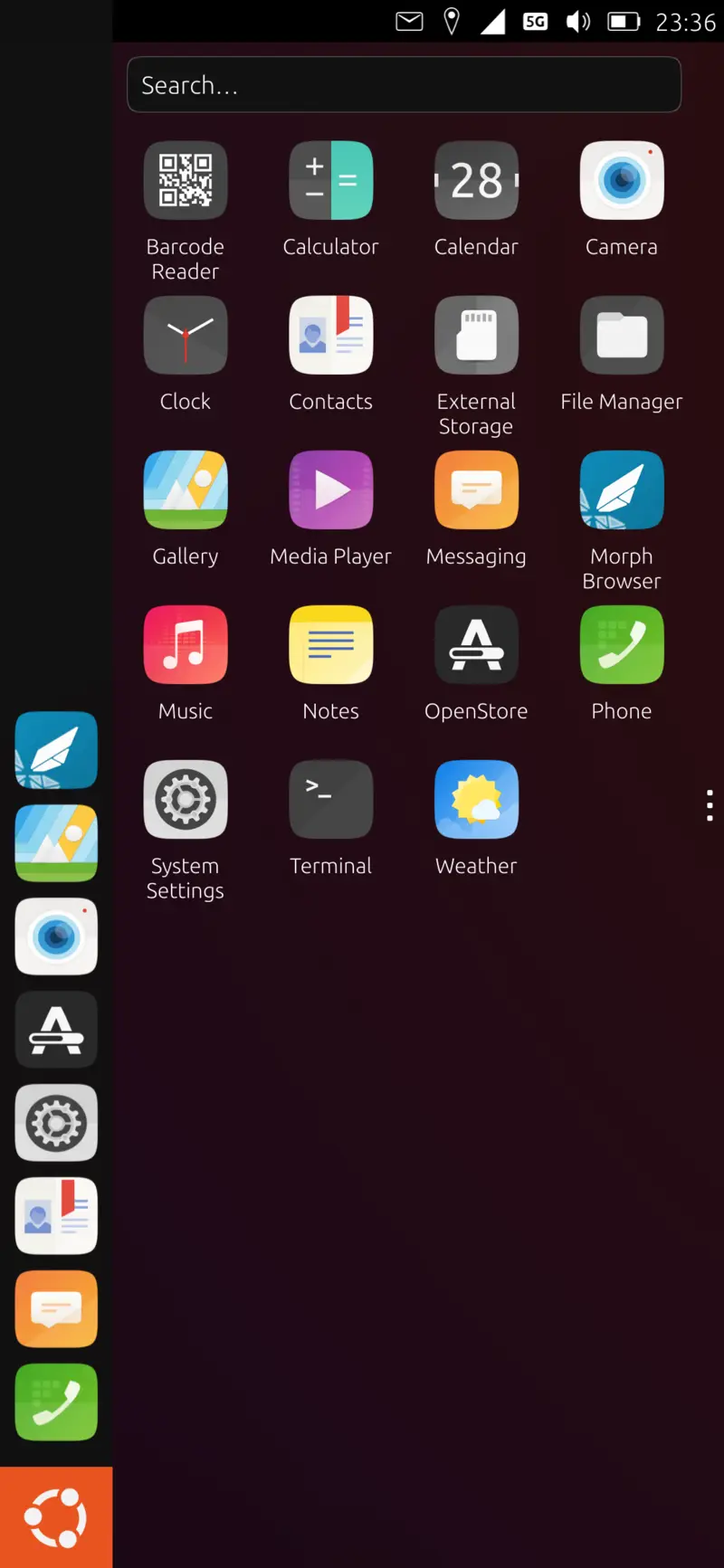
Ubuntu Touch is a free, open source operating system for smartphones that aims to work like a full desktop computer. It is for people who want a phone with more privacy and control over their software.
App · GitLab · Works on a short list of phones; few apps
None of these match. Try another device.
Before you build
Planning something for an alternative to Apple iOS? See what exists first, so you can reuse parts or explain what's different. Paste this into any AI assistant:
Read the list of open-source alternatives at https://opensourceeverything.org/data/groups/phone-os.json. Compare it with my project or idea below. Tell me which projects overlap, what I could reuse instead of rewriting, and what mine does that none of them do.
My project or idea:
Here is a list of open-source alternatives to Apple iOS, from Open Source Everything (CC BY-SA 4.0):
- GrapheneOS (MIT, https://grapheneos.org; replaces fully): GrapheneOS is a mobile operating system for phones that focuses on privacy and security while still running most Android apps. It is aimed at people who want a more private and secure phone, and it currently supports Pixel phones only.
- LineageOS (Apache-2.0, https://lineageos.org; replaces fully): LineageOS is a free replacement operating system for many Android phones and tablets, giving older or newer devices a fresh, customizable software base. It is for people who want more control over their phone's software and privacy.
- /e/OS (Apache-2.0, https://e.foundation; replaces fully): /e/OS is a smartphone operating system built on a de-Googled version of Android that aims to keep your data private. It is for people who want a phone that does not track their location or app use.
- postmarketOS (GPL-3.0-or-later, https://postmarketos.org; replaces partly): postmarketOS is a Linux-based operating system for phones, built to keep older devices useful for many years. It is for tinkerers: on most phones, calls, the camera or mobile data do not fully work yet.
- Ubuntu Touch (GPL-3.0, https://gitlab.com/ubports; replaces partly): Ubuntu Touch is a free, open source operating system for smartphones that aims to work like a full desktop computer. It is for people who want a phone with more privacy and control over their software.
Compare it with my project or idea below. Tell me which projects overlap, what I could reuse instead of rewriting, and what mine does that none of them do.
My project or idea: