9.1kActiveIn your browserAGPL-3.0Runs on your own server
Webstudio is a visual tool for building websites and web pages without writing all the code by hand. It is aimed at developers, designers and teams who want to own their site data and hosting.
Webiny is a headless content management system with a drag-and-drop page builder that companies run on their own Amazon Web Services account. It is aimed at developer teams who build complex websites and apps and extend them with TypeScript code.
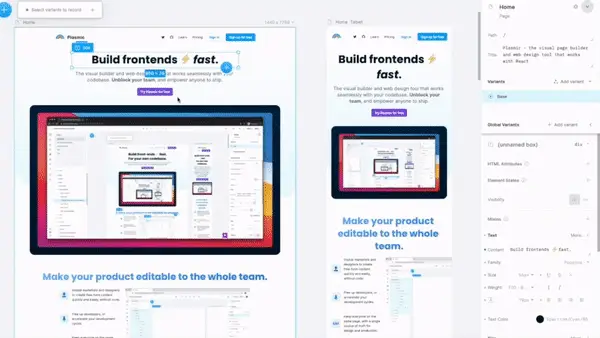
Plasmic is a visual builder where you drag and drop components to design websites and web apps, and it can plug into your existing code. It is aimed at marketing teams and developers who want to build pages without starting from scratch.
3kActiveWindows · Mac · LinuxAGPL-3.0Runs on your own server
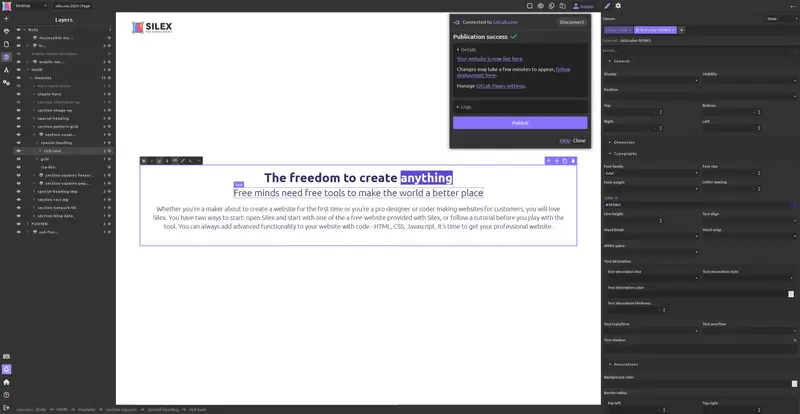
Silex is a free visual website builder where you design pages by dragging and dropping, then export plain HTML and CSS files. It is for designers, agencies and people who want to build websites without code and host them anywhere.
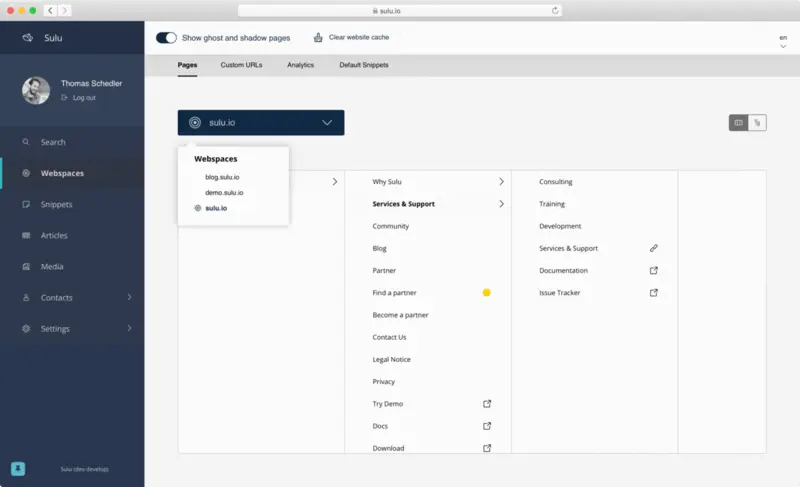
Sulu is a content management system for building multi-language websites and managing their content through an editing interface. It is aimed at developers and organisations that run websites and need to publish and maintain content.
Concrete CMS is a content management system for building and running websites, with pages edited directly in the browser. It is aimed at teams and organizations that publish web content.
73kActiveMITOpen coreReplaces partlyRuns on your own server
Strapi is a headless content management system that lets developers define content types and get ready-made APIs for websites, apps and devices. Content editors get a web interface for writing and managing that content.
Payload is a free content management system built into Next.js, where teams manage website and app content. It is for developers who build websites or apps and want an editor for their content.
Decap CMS is a web-based editor that lets teams change the text and images on websites built with static site generators, by editing files stored in a Git repository. It is for website owners and their editors who want a simple form-style interface instead of working with files directly.
14kActiveIn your browserApache-2.0Replaces partlyFor developers
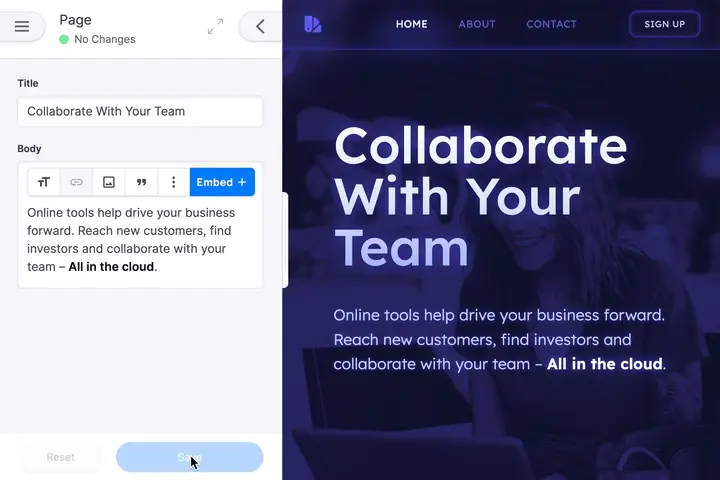
Tina is a content management system for editing website text and files, such as Markdown, directly in a visual editor. It is aimed at developers building React websites and at less-technical editors who update the content.
For developers · GitHub
None of these match. Try another device.
Before you build
Planning something for an alternative to Wix? See what exists first, so you can reuse parts or explain what's different. Paste this into any AI assistant:
Read the list of open-source alternatives at https://opensourceeverything.org/data/groups/cms.json. Compare it with my project or idea below. Tell me which projects overlap, what I could reuse instead of rewriting, and what mine does that none of them do.
My project or idea:
Here is a list of open-source alternatives to Wix, from Open Source Everything (CC BY-SA 4.0):
- Webstudio (AGPL-3.0, https://github.com/webstudio-is/webstudio; replaces fully): Webstudio is a visual tool for building websites and web pages without writing all the code by hand. It is aimed at developers, designers and teams who want to own their site data and hosting.
- Webiny (MIT, https://github.com/webiny/webiny-js; replaces fully): Webiny is a headless content management system with a drag-and-drop page builder that companies run on their own Amazon Web Services account. It is aimed at developer teams who build complex websites and apps and extend them with TypeScript code.
- Plasmic (MIT, https://github.com/plasmicapp/plasmic; replaces fully): Plasmic is a visual builder where you drag and drop components to design websites and web apps, and it can plug into your existing code. It is aimed at marketing teams and developers who want to build pages without starting from scratch.
- Silex (AGPL-3.0, https://github.com/silexlabs/Silex; replaces fully): Silex is a free visual website builder where you design pages by dragging and dropping, then export plain HTML and CSS files. It is for designers, agencies and people who want to build websites without code and host them anywhere.
- Sulu (MIT, https://github.com/sulu/sulu; replaces fully): Sulu is a content management system for building multi-language websites and managing their content through an editing interface. It is aimed at developers and organisations that run websites and need to publish and maintain content.
- Concrete (MIT, https://github.com/concretecms/concretecms; replaces fully): Concrete CMS is a content management system for building and running websites, with pages edited directly in the browser. It is aimed at teams and organizations that publish web content.
- Strapi (MIT, https://github.com/strapi/strapi; replaces partly): Strapi is a headless content management system that lets developers define content types and get ready-made APIs for websites, apps and devices. Content editors get a web interface for writing and managing that content.
- Payload (MIT, https://github.com/payloadcms/payload; replaces partly): Payload is a free content management system built into Next.js, where teams manage website and app content. It is for developers who build websites or apps and want an editor for their content.
- Decap CMS (MIT, https://github.com/decaporg/decap-cms; replaces partly): Decap CMS is a web-based editor that lets teams change the text and images on websites built with static site generators, by editing files stored in a Git repository. It is for website owners and their editors who want a simple form-style interface instead of working with files directly.
- Tina (Apache-2.0, https://github.com/tinacms/tinacms; replaces partly): Tina is a content management system for editing website text and files, such as Markdown, directly in a visual editor. It is aimed at developers building React websites and at less-technical editors who update the content.
Compare it with my project or idea below. Tell me which projects overlap, what I could reuse instead of rewriting, and what mine does that none of them do.
My project or idea: