Open-source alternatives to Elastic Cloud
36 open-source projects that replace Elastic Cloud, 15 of them for the whole job.
Databases23
Store and query data. See the whole group
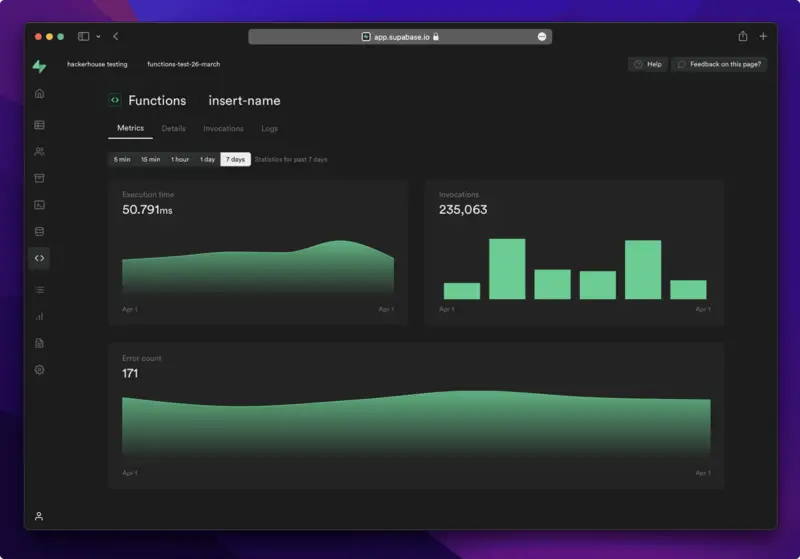
Supabase is a backend platform built on the Postgres database that gives apps login, data storage, file storage and automatic APIs. It is for developers building web, mobile and AI applications.
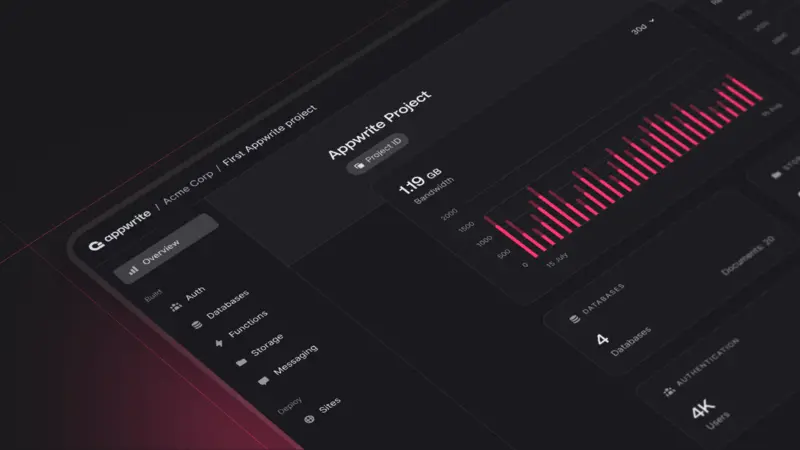
Appwrite is a backend platform that handles login, databases, file storage, serverless functions, messaging and realtime updates so app builders don't have to run those parts themselves. It is aimed at developers and the AI coding agents they use, and it can be used as a hosted cloud service or self-hosted with Docker.
TiDB is a database that stores structured data and lets many machines work together so it keeps running if some fail. It is aimed at developers and companies that need a large, always-on database that speaks the MySQL language.
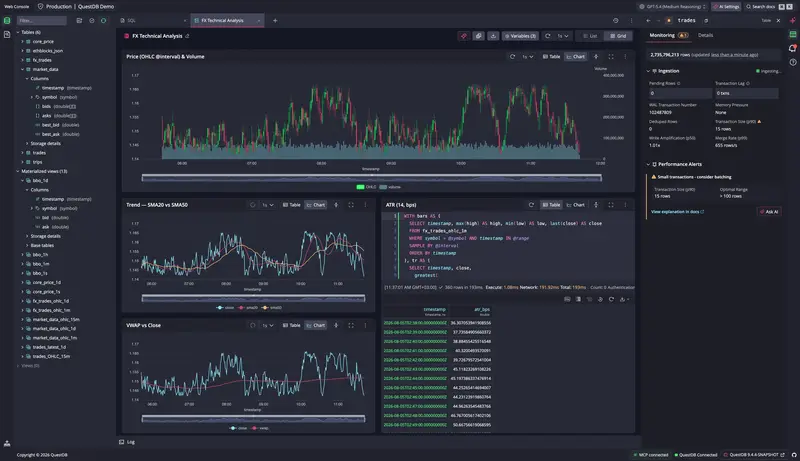
QuestDB is an open-source database built for time-stamped data, such as trades, sensor readings and events, that arrives very fast. It is for engineers and analysts who need to store, query and analyze large streams of time-based data with SQL.
YugabyteDB is a database that stores structured data and runs SQL queries, built to keep working across many servers and regions. It is aimed at developers and companies running business applications that need reliable, large-scale data storage.
Databend is a data warehouse, a system for storing and running large-scale queries on big collections of data. It is aimed at companies and developers who work with analytics and AI workloads.
Nhost is an open-source backend for web and mobile apps, giving developers a database, user sign-in, file storage and a GraphQL API in one package. It is aimed at developers who want an alternative to Firebase that they can host themselves or run on Nhost's hosted platform.
CrateDB is a database that stores and searches large amounts of data, including time-based readings, and can run across many machines at once. It is aimed at developers and data teams who need fast analysis of data as it arrives.
TerminusDB is an open-source database that stores linked JSON documents as a knowledge graph, with git-like version control. It is aimed at developers and data teams who need to track and query how their data changes over time.
AceBase is a database that stores app data and sends live updates to apps when that data changes. It is aimed at developers who want a Firebase-style database that they can run themselves on Node.js, in the browser, or on their own hardware.
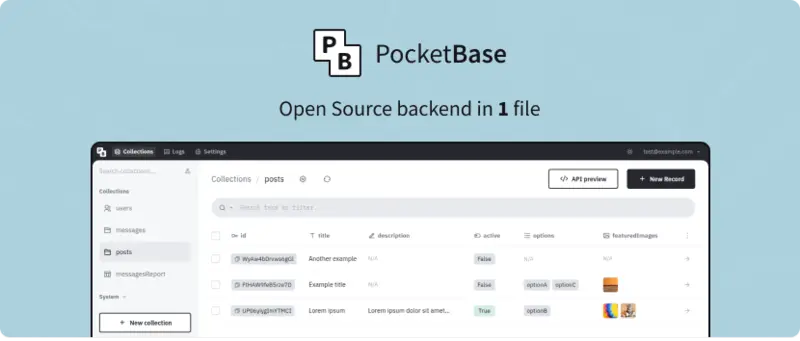
PocketBase is a free, open-source backend that bundles a database, user and file management, an admin dashboard, and a simple API into one program. It is for developers who want to build apps without running a separate server setup for each piece.

Meilisearch is a search engine that lets websites and apps find items quickly, even when the search has typos. It is for developers who want to add search to their own sites or apps, either on a hosted service or on their own servers.
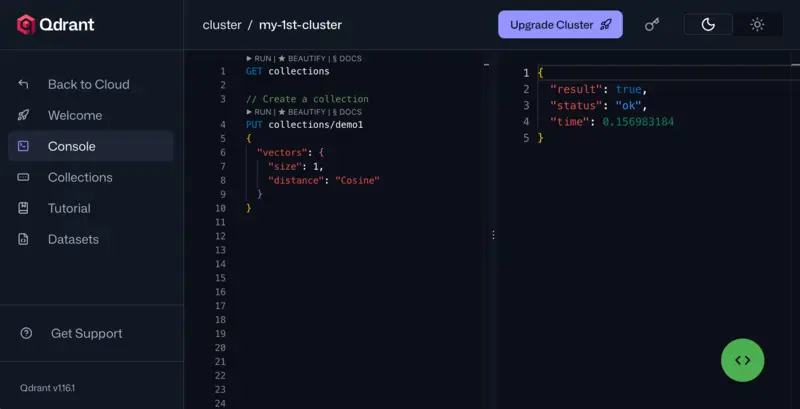
Qdrant is a database that stores data as numerical vectors and finds items by meaning, such as similar text or images. It is aimed at developers building search, recommendation or AI matching features.
InfluxDB is a database that stores and quickly queries data that arrives over time, such as sensor readings, server metrics and events. It is aimed at developers and operators who build dashboards, monitoring and automation.

Typesense is a search engine that lets a website or app find items quickly, even when the search text has typos. It is for developers who want to add search to their own sites and apps, and it can be run on your own servers or through a paid hosted service.
TDengine is an open-source database built to store and analyze very large volumes of time-stamped data from sensors and machines. It is aimed at developers and operators running Internet of Things, connected-car and industrial systems.
Sonic is a search engine server that stores words and item IDs so an app can quickly find matching items. It is meant for developers who want a lighter alternative to heavy search systems like Elasticsearch.
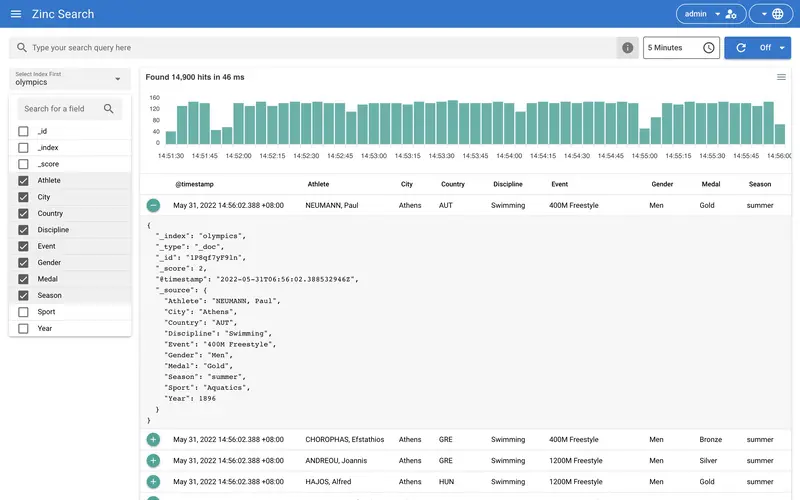
ZincSearch is a search engine that indexes text so you can find things quickly inside your own data. It is meant for developers and teams who want full text search without the complexity of Elasticsearch.
Neo4j is a database that stores data as a network of connected items instead of plain tables. It is aimed at developers and organisations that need to work with highly connected data.
Weaviate is a database that stores text and images as numerical vectors so it can find items by meaning rather than exact keywords. It is aimed at developers building AI search, chatbot and recommendation features.
Manticore Search is an open-source database for searching text, logs and other data, with SQL support and vector search. It is for developers and teams who want a self-hosted search engine instead of Elasticsearch or Algolia.
Quickwit is a search engine for storing and searching large amounts of logs and traces, kept on cloud storage. It is aimed at engineers and operations teams who monitor software systems.
Kuzzle is a ready-made backend server that handles common app needs such as data storage, user logins, and live updates. It is aimed at developers who want to build web and IoT applications faster.
Server & app monitoring15
Watch servers and apps for problems. See the whole group
Netdata is a real-time monitoring tool that shows how your computers, servers and apps are performing, updated every second. It is for system administrators and developers who want to watch and troubleshoot their infrastructure.
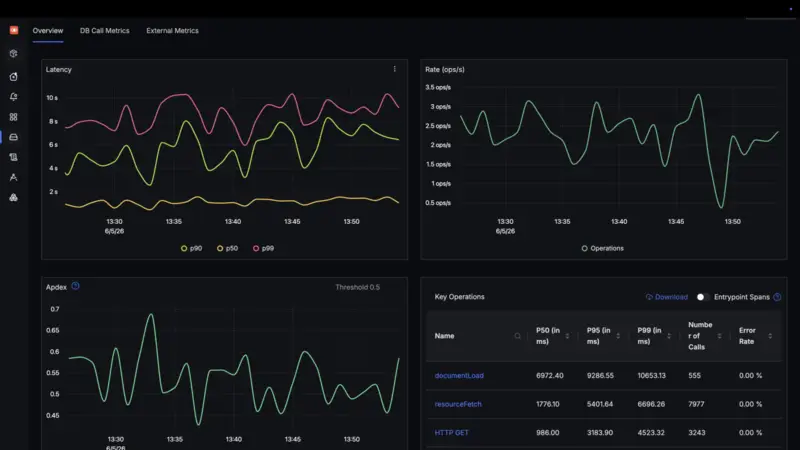
SigNoz is a self-hosted tool that collects logs, metrics, traces and alerts so teams can see why their software is slow or broken. It is aimed at engineering and operations teams who run production systems.
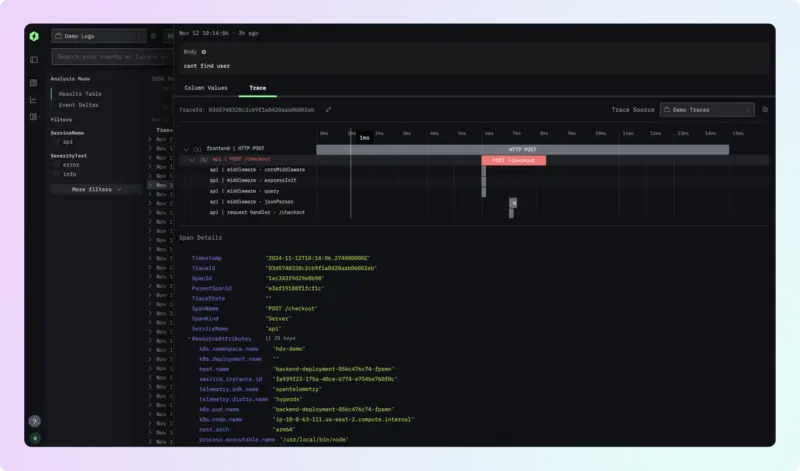
HyperDX is a tool for searching and visualizing logs, traces, metrics and session replays to find why a production system is broken. It is aimed at engineers and runs on top of a ClickHouse database.
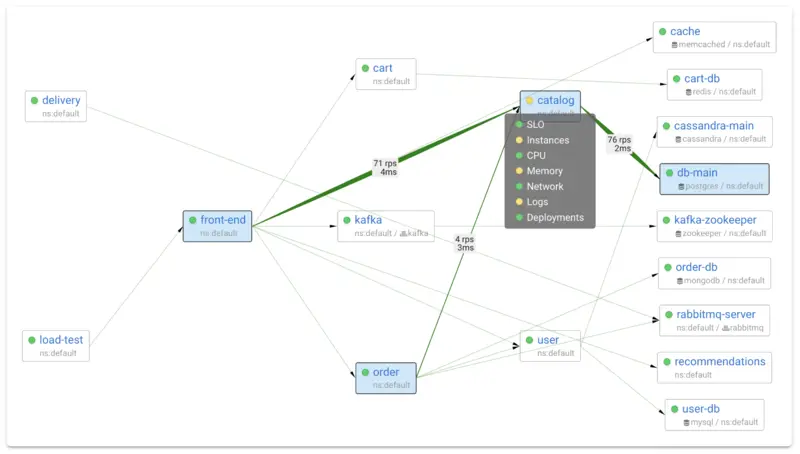
Coroot is an observability tool that collects metrics, logs, traces and profiles from your applications and turns them into plain insights about what is wrong. It is aimed at developers and operations teams who run services and want to understand their health and cloud costs.
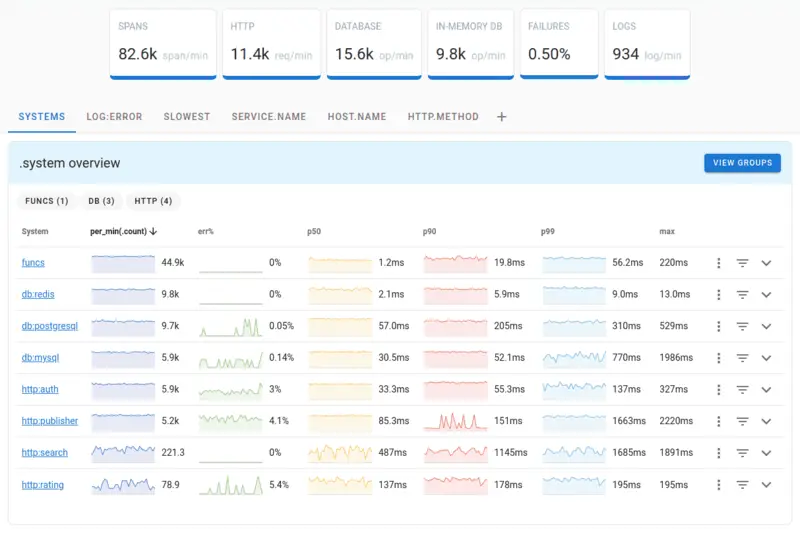
Uptrace is a tool that collects performance and error data from software applications and shows it in dashboards, so teams can find and fix problems. It is aimed at developers and operations staff who run applications.
Grafana is a platform for viewing and understanding metrics and logs through dashboards, graphs and alerts. It is for teams who monitor systems and want to share their data views.
VictoriaMetrics is a database and server that stores and queries large amounts of monitoring data, such as server and application metrics. It is aimed at engineers and operations teams who run their own monitoring.
Manticore Search is an open-source database for searching text, logs and other data, with SQL support and vector search. It is for developers and teams who want a self-hosted search engine instead of Elasticsearch or Algolia.
Quickwit is a search engine for storing and searching large amounts of logs and traces, kept on cloud storage. It is aimed at engineers and operations teams who monitor software systems.
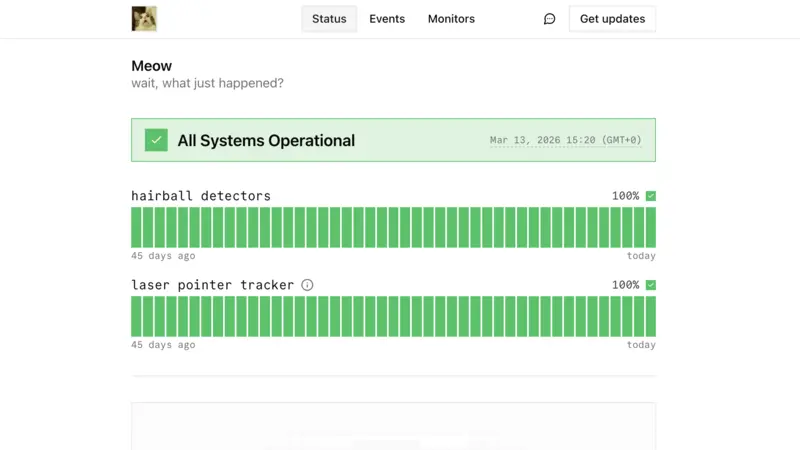
OpenStatus is a tool for running a public status page, tracking incidents, and checking whether websites, servers and APIs are up. It is aimed at teams that want to monitor their services and tell users about outages.
VictoriaLogs is a database for storing and searching large volumes of log messages from computers and applications. It is aimed at system administrators and developers who need to keep and query logs, from small setups up to very large deployments.
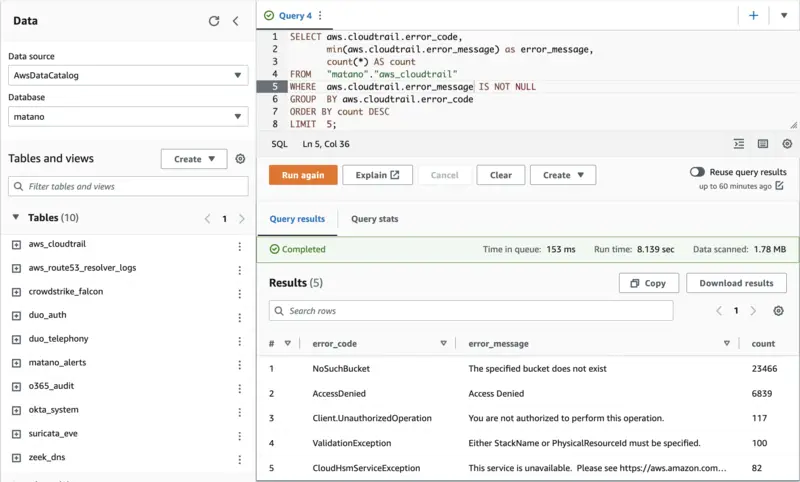
Matano is a security data lake that collects security logs from cloud services and stores them in a structured form in the user's own AWS account. It is for security teams who want a lower-cost, serverless alternative to commercial SIEM tools.
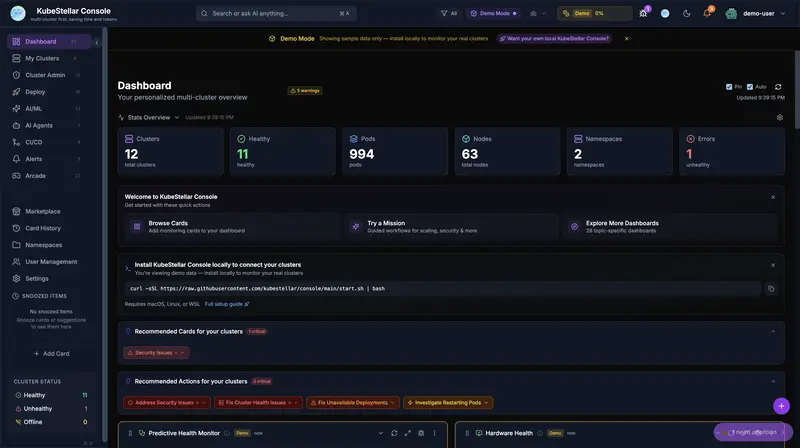
KubeStellar Console is a web dashboard for watching and managing many Kubernetes clusters at once, including cluster health, compliance checks and guided installs of CNCF projects. It is aimed at platform and operations engineers who run Kubernetes.
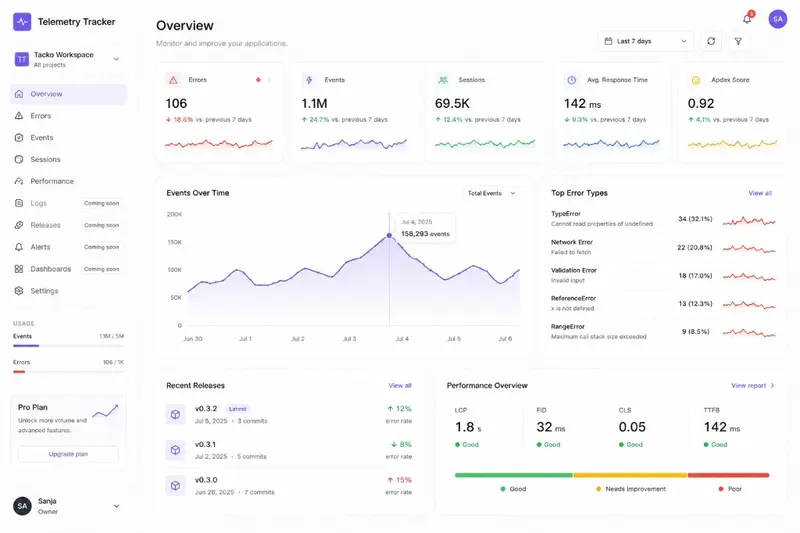
Telemetry Tracker is a self-hosted tool that collects errors, product events, user sessions and web performance data from JavaScript and React Native apps, with alerts by email, Slack and other channels. It is for developers and small teams who want to see what goes wrong in their apps; an official hosted cloud is also offered.
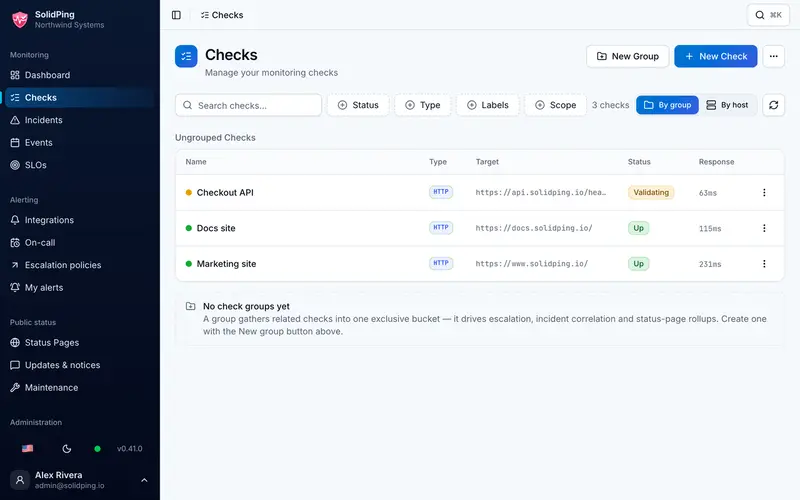
SolidPing is a program that checks whether websites, servers and services are up, and tells you when they are not. It is meant for people and teams who want to run their own uptime monitoring, or use a hosted version.
Before you build
Planning something for an alternative to Elastic Cloud? See what exists first, so you can reuse parts or explain what's different. Paste this into any AI assistant: